Travis Talks Stuff: Are We Living In A Dystopian Time?/My Sons Have No Ambition

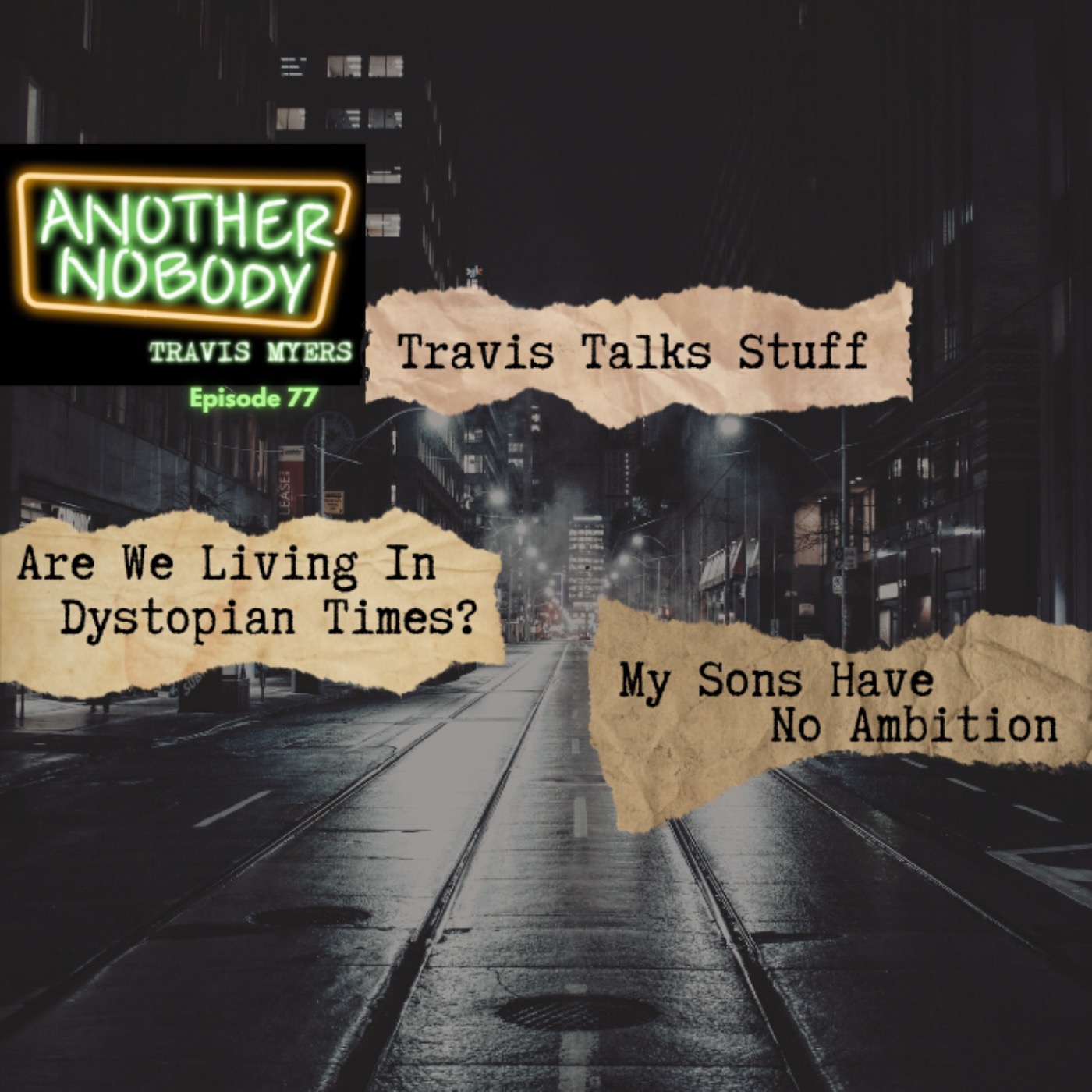

# Are We Living in Dystopian Times? Insights from Travis Myers
In recent years, many have felt a growing sense of unease about the direction society is heading. Are we living through a dystopia, as some suggest? In this blog post, we delve into the thought-provoking insights shared by Travis Myers on his podcast, where he addresses this pressing question along with concerns from listeners about the future.
## Understanding Dystopia: A Modern Perspective
Dystopia is often associated with futuristic scenarios where oppression and societal collapse reign. However, Myers challenges this notion by highlighting the current state of the world, particularly in the United States and other regions. He argues that while we may not be in a full-blown dystopia, signs of decline are evident.
### The Signs of Our Times
- **Widespread Misery and Loss of Agency:** Myers points out the alarming rise in homelessness and drug addiction across major cities, illustrating a sense of despair in communities once thriving.
- **Erosion of Freedoms:** He emphasizes the diminishing freedoms experienced by younger generations compared to those of past decades, raising concerns about surveillance and control in the name of safety.
- **Education and Future Generations:** A notable decline in education quality and intelligence among younger generations, as evidenced by lower IQ scores and reduced life expectancies, adds to the dystopian sentiment.
## The Global Perspective: Lessons from Europe
Myers draws comparisons to the situation in Europe, particularly the UK, where he believes a dystopian reality is taking shape. He highlights the erosion of free speech and the enforcement of laws that suppress dissenting opinions, leading to a climate of fear and self-censorship among citizens.
### The Impact of Technology
The discussion shifts to the role of technology in shaping our future. While artificial intelligence poses potential threats to job security and societal norms, it also offers opportunities for improvement and innovation. The key lies in how we choose to navigate these advancements and prioritize humanity over control.
## Embracing Optimism Amidst Challenges
Despite the grim observations, Myers encourages a resilient mindset. He reminds listeners that history is filled with turmoil, yet humanity has consistently found ways to thrive. The current era, marked by polarization and economic uncertainty, is not an endpoint but rather a transitional phase.
### Cultivating a Brighter Future
- **Individual Responsibility:** Myers stresses the importance of individual actions in shaping the future. He advocates for prioritizing truth, freedom, and human flourishing over succumbing to despair.
- **Community Engagement:** By fostering connections and supporting one another, we can counteract the divisive forces at play and work towards a more positive outlook.
## Key Takeaways
In conclusion, while the signs of a dystopian reality may be present, there remains hope for a brighter future. By acknowledging the challenges and actively participating in the creation of a better world, we can shift the narrative from fear to empowerment.
### Frequently Asked Questions
**What are the signs of a dystopian society?**
Signs may include widespread oppression, erosion of freedoms, and societal decay. In contemporary contexts, issues such as addiction and educational decline are often cited.
**Can technology lead us into a dystopia?**
While technology poses threats to jobs and freedoms, it can also serve as a tool for positive change if harnessed responsibly.
**How can individuals contribute to a better future?**
By prioritizing truth, building community connections, and engaging in constructive conversations, individuals can help counteract negative trends.
Hosted on Acast. See acast.com/privacy for more information.