Professor Stephen Giannangelo: Talks About Samuel Little; America’s Most Prolific Serial Killer
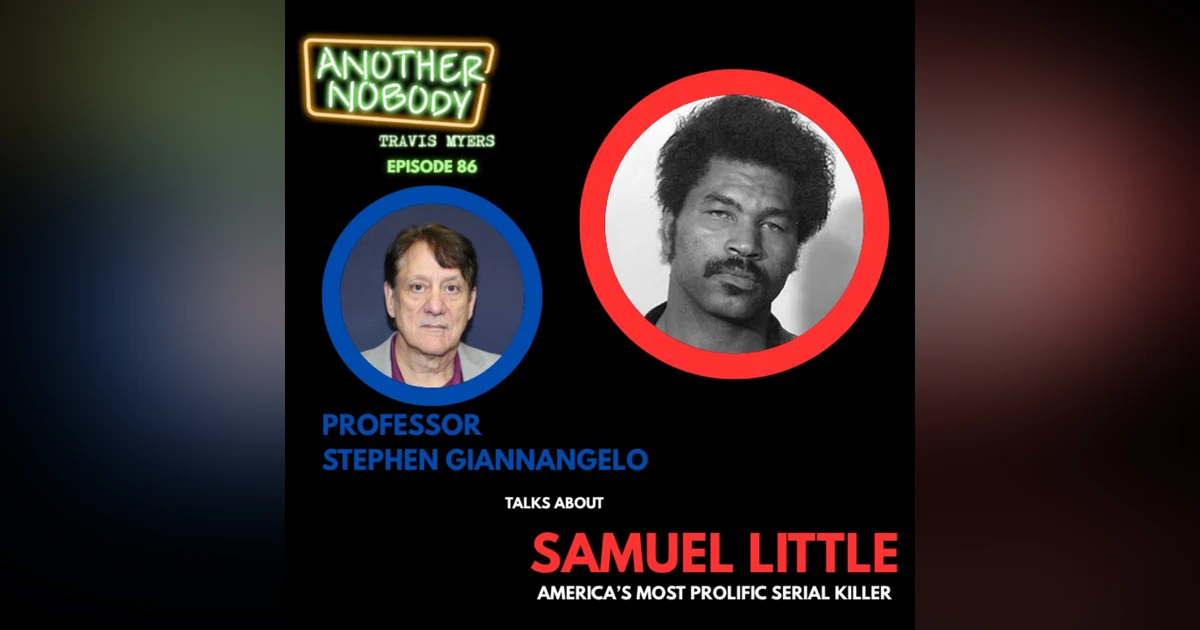

# Exploring the Shadows: Samuel Little and the Overlooked Truths of Black Serial Killers
> Unpacking the complexities of race and violence in true crime.
Samuel Little, a name that rarely graces the headlines, emerges as one of America’s most prolific serial killers, having confessed to 93 murders spanning three decades and 19 states. Yet, his story is often eclipsed by the notoriety of his white counterparts. In this issue, we delve into the complexities surrounding how race influences the perception and media portrayal of serial killers, especially those of African descent.
## The Inquiry That Sparked a Discussion
Recently, we received a thought-provoking letter from a listener named Dave in Winthrop, Massachusetts, who asked, "Why do we never hear about black serial killers?" This question opens a door to a broader conversation about the societal and media biases that affect how stories of violence are shared.
Travis Myers and Steve engage in a rich dialogue about Samuel Little, discussing how he is often overshadowed by more widely publicized white serial killers. **Steve notes** that the FBI's statistics have shifted dramatically, revealing that black male serial killers now constitute over 50% of cases, yet they remain largely absent from public consciousness:
> "The media as a rule basically has never been interested in the black serial killer."
## The Unseen Victims
Little’s victims, often referred to as the "less dead," were primarily marginalized individuals—sex workers and homeless people—whose disappearances seldom made it to the front page. This underscores a critical issue in the narrative of crime: victim visibility is often tied to societal values. Steve points out:
> "These are the kind of victims that we're talking about. Nobody really cares about a whole lot of them because these are the kind of victims that nobody reports that they're missing."
## Media's Role in Shaping Perception
The conversation highlights how media representation shapes public interest and awareness around serial killers. For instance, Travis shares his thoughts on the appeal of certain killers:
> "I do think it's media driven. There is something... that people are attracted to."
The portrayal of serial killers often gravitates toward those who fit a specific mold—typically characterized by their psychological profiles and the sensationalism of their crimes, which further complicates the narrative around black serial killers.
## A Shift in Perspective
As the discussion unfolds, both Travis and Steve reflect on the implications of categorizing killers, especially with the FBI's evolving definitions. Steve argues for a broader understanding of what constitutes a serial killer, emphasizing the importance of psychological motivations over mere statistics:
> "It takes a certain amount of lack of empathy to kill people on a routine basis and continue doing that."
Travis adds that not all killings are driven by the same motivations, citing differences between gang-related violence and sadistic serial murder.
## Conclusion: The Call for Awareness
By uncovering the stories of those like Samuel Little, we challenge the prevailing narratives that often overlook the complexities of race, media representation, and societal values regarding life and death. As we reflect on these discussions, we invite you to think critically about who gets remembered and why.
For those interested in a deeper exploration of these themes, tune into the full episode where we unpack more about Samuel Little and the broader implications of race in crime narratives.
---
This newsletter aims to not only inform but also to provoke thought and discussion around the often-hidden aspects of true crime. We hope you find it enlightening as we continue to delve into the shadows of these stories.
Hosted on Acast. See acast.com/privacy for more information.