Dr Joanna Mancrieff: Depression; The Chemical Imbalance myth & The SSRI Illusion
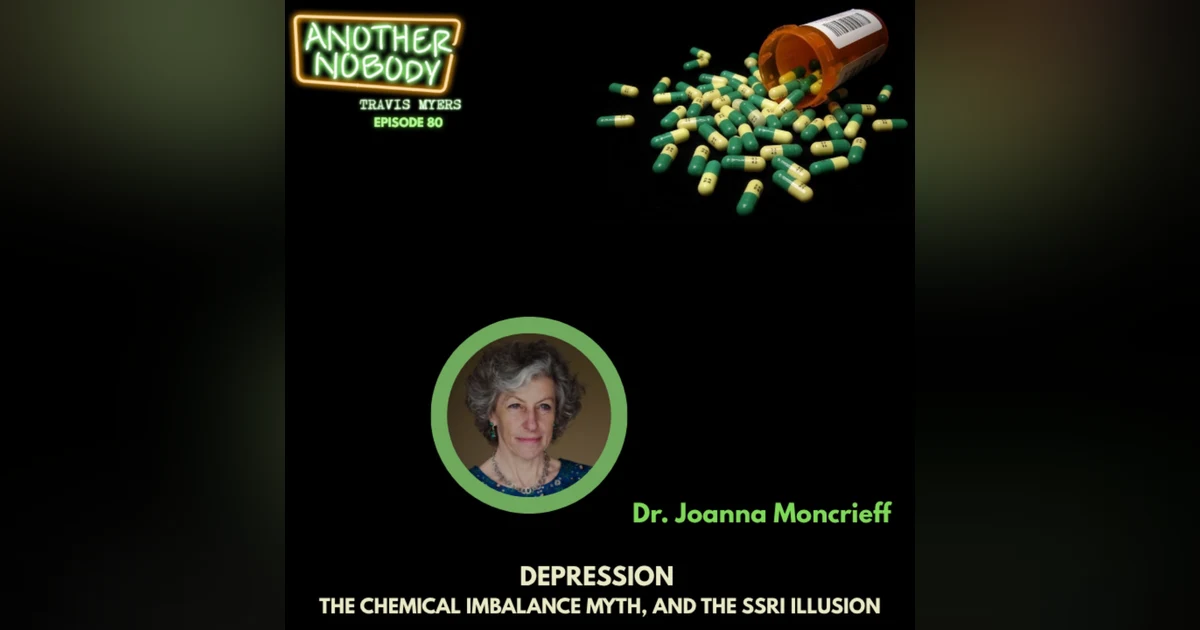

The Lies of SSRIs: Unpacking the Myths Behind Antidepressants
In the world of mental health, the narrative surrounding SSRIs (Selective Serotonin Reuptake Inhibitors) has long been dominated by the belief that depression is caused by a lack of serotonin in the brain. This widely accepted idea has led millions to seek out these medications as a remedy for their emotional pain. However, recent research and discussions reveal a different perspective, one that questions the validity of this long-standing theory. In this blog post, we will explore the myths surrounding SSRIs, the historical context of drug use, and the implications of relying on medications without fully understanding their effects.
### The Misconception of Serotonin and Depression
The belief that depression is linked to low serotonin levels has been a cornerstone of psychiatric treatment for decades. In 2022, a systematic review conducted by a team of researchers, including Joanna Moncrieff, revealed that the evidence supporting this theory is not as robust as previously thought. The study compiled data from various research areas, concluding that there is insufficient evidence to establish a consistent link between serotonin levels and depression.
Many individuals have been led to believe that their feelings of despair stem from a chemical imbalance, prompting them to turn to SSRIs as a quick fix. This misconception has fueled the pharmaceutical industry, leading to widespread prescriptions without a thorough understanding of the underlying causes of their emotional distress. As Moncrieff pointed out, this has resulted in millions of people taking antidepressants based on an unsupported theory, leaving them vulnerable to the potential side effects of these medications.
### The History of Drug Use and the Search for Quick Fixes
The inclination to seek quick solutions to emotional pain is not a new phenomenon. Throughout history, humans have turned to various substances to numb emotional distress. From alcohol to opioids, the desire for a quick escape has been a recurring theme. Moncrieff draws parallels between the current SSRIs trend and historical drug use, highlighting a societal tendency to look for chemical solutions rather than addressing the root causes of emotional problems.
This trend can be traced back to campaigns like the Defeat Depression Campaign in the 1990s, which aimed to shift public perception of depression from a reaction to life circumstances to a medical condition requiring pharmacological intervention. Funded partly by pharmaceutical companies, the campaign successfully changed the narrative around depression, leading many to accept the idea that it is primarily a brain problem that can be solved with medication.
### The Emotional Toll of SSRIs
While SSRIs may not be physically addictive, they can lead to emotional dependence. Users often report feelings of emotional numbing, where they may not experience the highs of happiness but also find a reduction in their lows. This emotional flatness can lead individuals to question the quality of their experiences and relationships, ultimately raising concerns about the long-term effects of relying on these drugs.
As Moncrieff explains, the emotional numbing caused by SSRIs is subtle and can impact one's overall quality of life. It is crucial for individuals to weigh the benefits and drawbacks of these medications and consider alternative approaches to managing their mental health.
### Reevaluating Our Approach to Mental Health
The conversation around SSRIs and depression highlights the need for a more nuanced understanding of mental health. Rather than defaulting to medication, it is essential to explore various therapeutic options, including psychotherapy, lifestyle changes, and holistic approaches. By doing so, individuals can address the underlying factors contributing to their emotional distress, rather than simply masking their symptoms.
Hosted on Acast. See acast.com/privacy for more information.