Dr Chris DeArmitt: The Fear Of Plastics, The Next New Thing

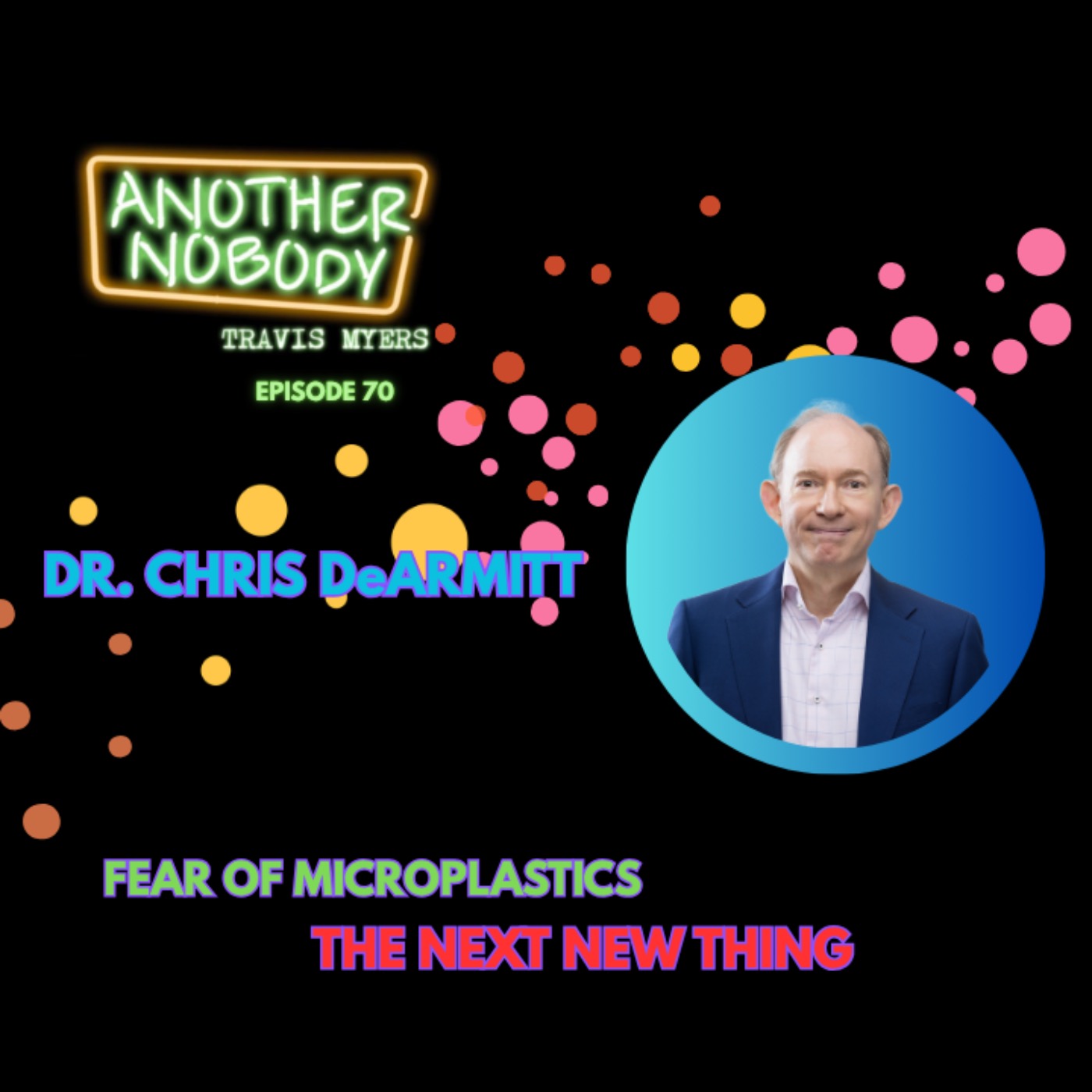

Understanding Microplastics: Debunking Myths and Discovering Truths
Learn the truth about microplastics, their actual effects, and why the media often misrepresents the science. Perfect for anyone concerned about plastic safety.
In a world increasingly concerned about health and safety, the conversation around microplastics and their potential dangers has surged. Many are left wondering: Are microplastics harmful? In this post, we’ll break down the facts shared by Dr. Chris DeArmitt, a leading expert in the field, and explore the real science behind these tiny particles.
About Dr. Chris DeArmitt
Dr. Chris DeArmitt is a passionate researcher who has dedicated over six years to studying the effects of plastics. After witnessing misinformation in educational settings, he took it upon himself to examine scientific literature and debunk common myths about plastics and their impact on health. His vast knowledge and experience make him a credible source in the discourse surrounding microplastics.
The Truth About Microplastics
Dr. DeArmitt emphasizes that there is no credible scientific evidence linking microplastics to health issues. After analyzing over 6,000 studies, he states that not a single one has shown plastics causing diseases or cancers. This is significant given the media's narrative that often portrays plastics as dangerous.
Understanding the Media's Role
The media plays a crucial role in shaping public perception. Dr. DeArmitt highlights that 93% of media articles suggest harm from microplastics, despite scientific studies indicating otherwise. This disparity can lead to unnecessary fear and anxiety about everyday products that contain plastic.
Microplastics vs. Dust: What’s the Real Concern?
Interestingly, Dr. DeArmitt compares microplastics to dust, noting that plastics are a small part of the dust we encounter daily. He points out that people seldom worry about dust, yet they panic over microplastics, which make up only a fraction of what we breathe or consume. Understanding this context is crucial in alleviating fears associated with microplastics.
The Science Behind Plastic Safety
One of the key points made by Dr. DeArmitt is that plastics have undergone extensive testing to ensure their safety. Regulatory bodies like the FDA have approved the use of plastics in food and drink containers after rigorous evaluation. Studies have shown that plastics, including those found in products we use daily, are among the least toxic materials tested.
Misinterpretation of Research
Dr. DeArmitt addresses specific studies that have been misinterpreted. For instance, he discusses a study on atheroma (plaque) that was wrongly linked to microplastics, clarifying that correlation does not imply causation. It’s essential to critically evaluate research rather than accept headlines at face value.
Key Takeaways
- **Microplastics Are Not Toxic:** Extensive research shows no credible evidence linking microplastics to health problems.
- **Media Misrepresentation:** The majority of media articles suggest harm despite scientific evidence to the contrary.
- **Understanding Context Matters:** Recognizing that microplastics are a small fraction of what we consume can help reduce fear.
- **Trust the Science:** Regulatory bodies ensure that plastics are safe for use, backed by extensive studies.
In conclusion, it’s vital to approach discussions about microplastics with a critical eye. While it’s natural to have concerns about health and safety, understanding the science can help dispel myths and provide clarity.
Hosted on Acast. See acast.com/privacy for more information.